Where do stories come from?

‘Where do you get your ideas’, or ‘where do good ideas come from’? Well, you see when two semi-organized thought processes really love each other sometimes—listen, if you’re a writer or a creative person of any merit at some point in your career you’ve probably been asked this. Particularly if you’ve seen any measure of success, like: “Where did you buy your lottery tickets? Shit, I’m going there!”

People who hear it a lot often go so far as to come up with some truly original responses. Author Neil Gaiman suggested that he had access to a special service that mailed him his ideas for a nominal fee once per week. Stephen King, when asked how he wrote about the things he did in an interview, told the reporter he wrote the way he did because he “had the heart of a young boy… in a jar on his desk.” But besides being the trivial annoyance of the talented, questions like this give rise to a topic that begs response.

Ideas arrive from sources as diverse as the individual. I’ve had stories drawn from dreams (Bram Stoker did too), news articles (look at any movie of the week), the fiction of other authors (Tom Stoppard, Brian Helgeland, Steve Martin all have done the same), conversations—you name it. The quality of an idea is found in an individual author’s ability to keep from putting crap down on paper (or tablet, or screen, or whatever). Like Hemingway said, “The first thing a good writer needs is a built in, hard-wired, bulletproof shit detector.”

None of this of course really serves to answer the question. And although ‘how ideas come about’ will depend on the person, I believe they also arrive following some common threads. The most important of these speaks directly to an inheritance of the mind and simultaneously, film. Association.

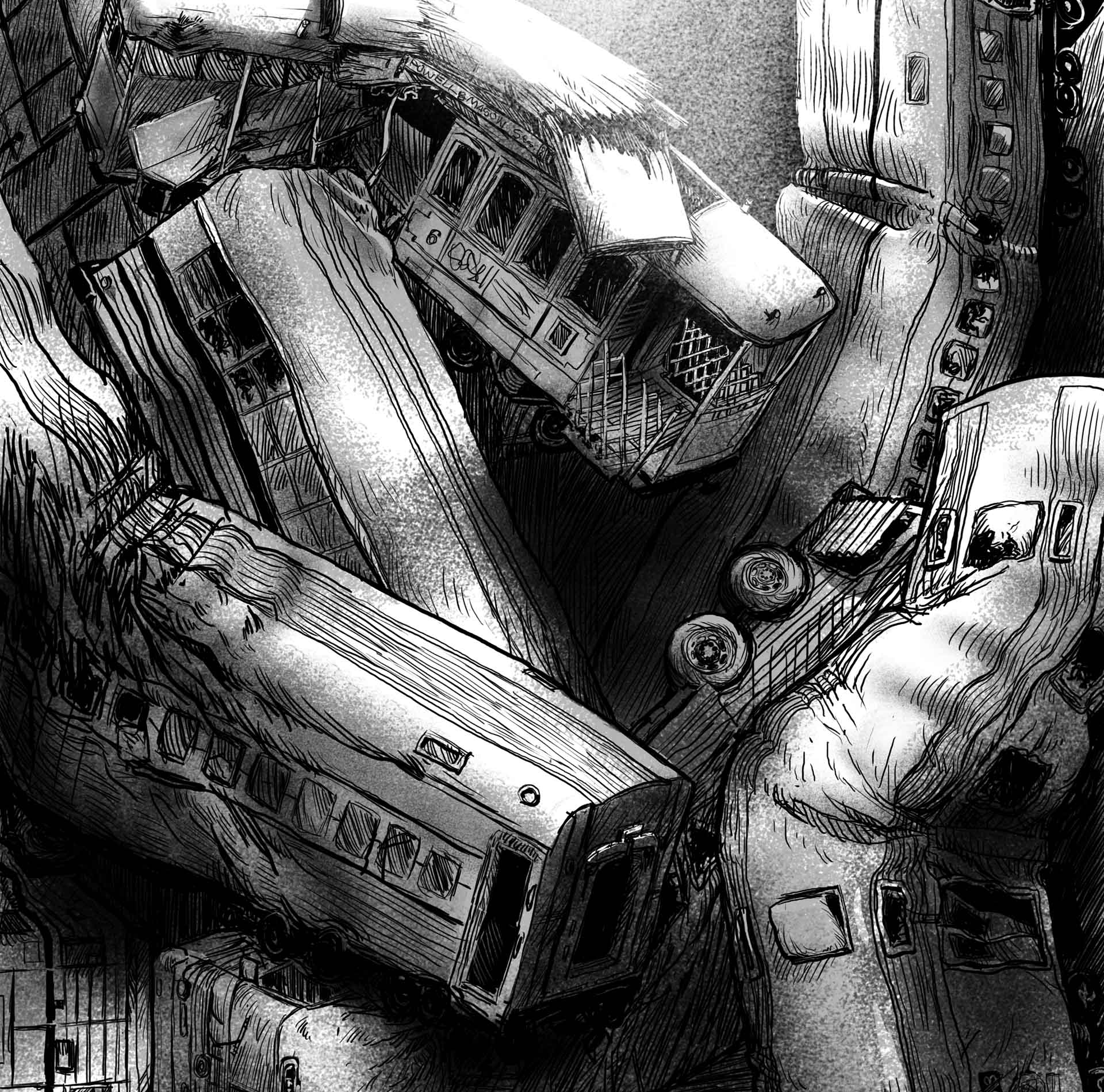
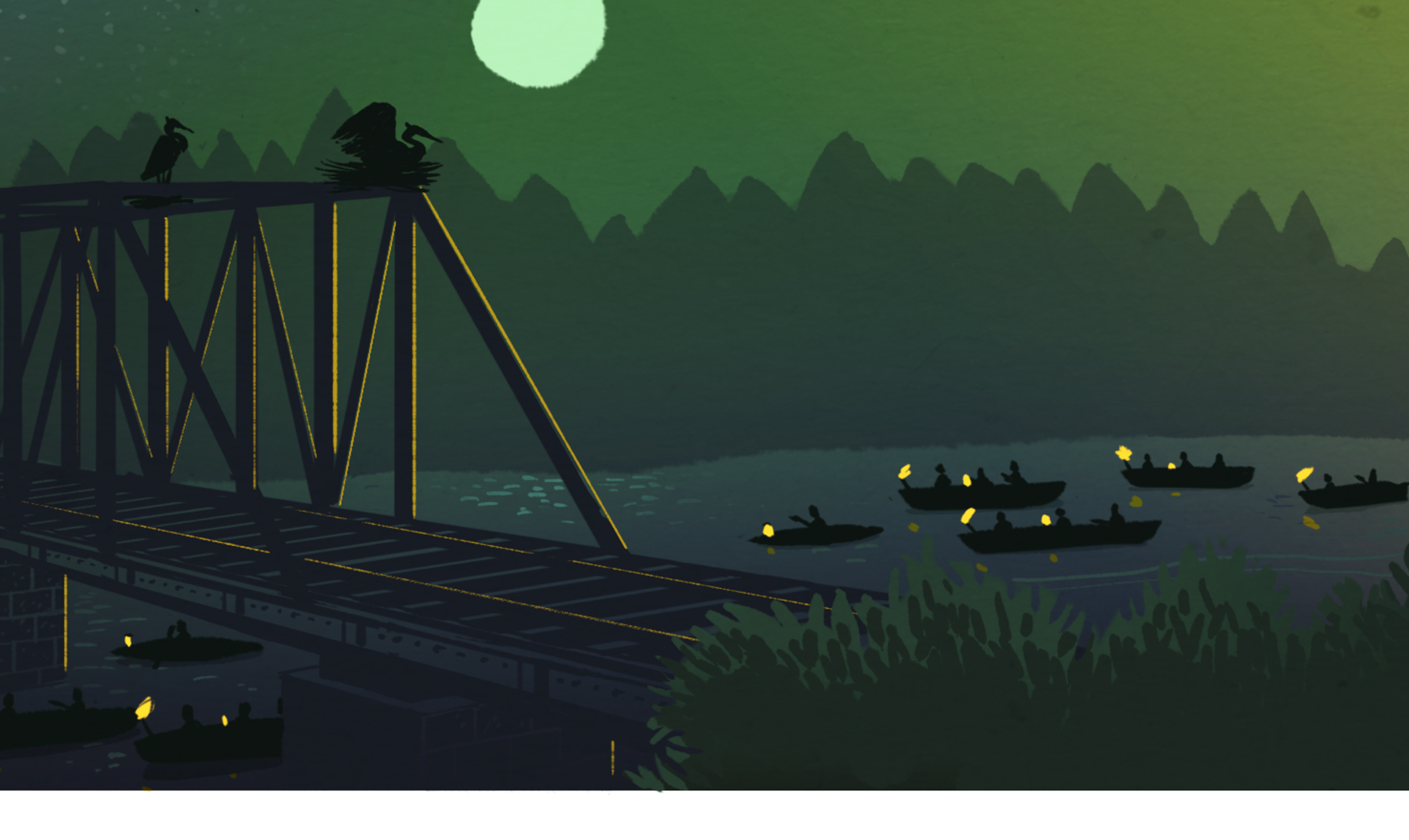
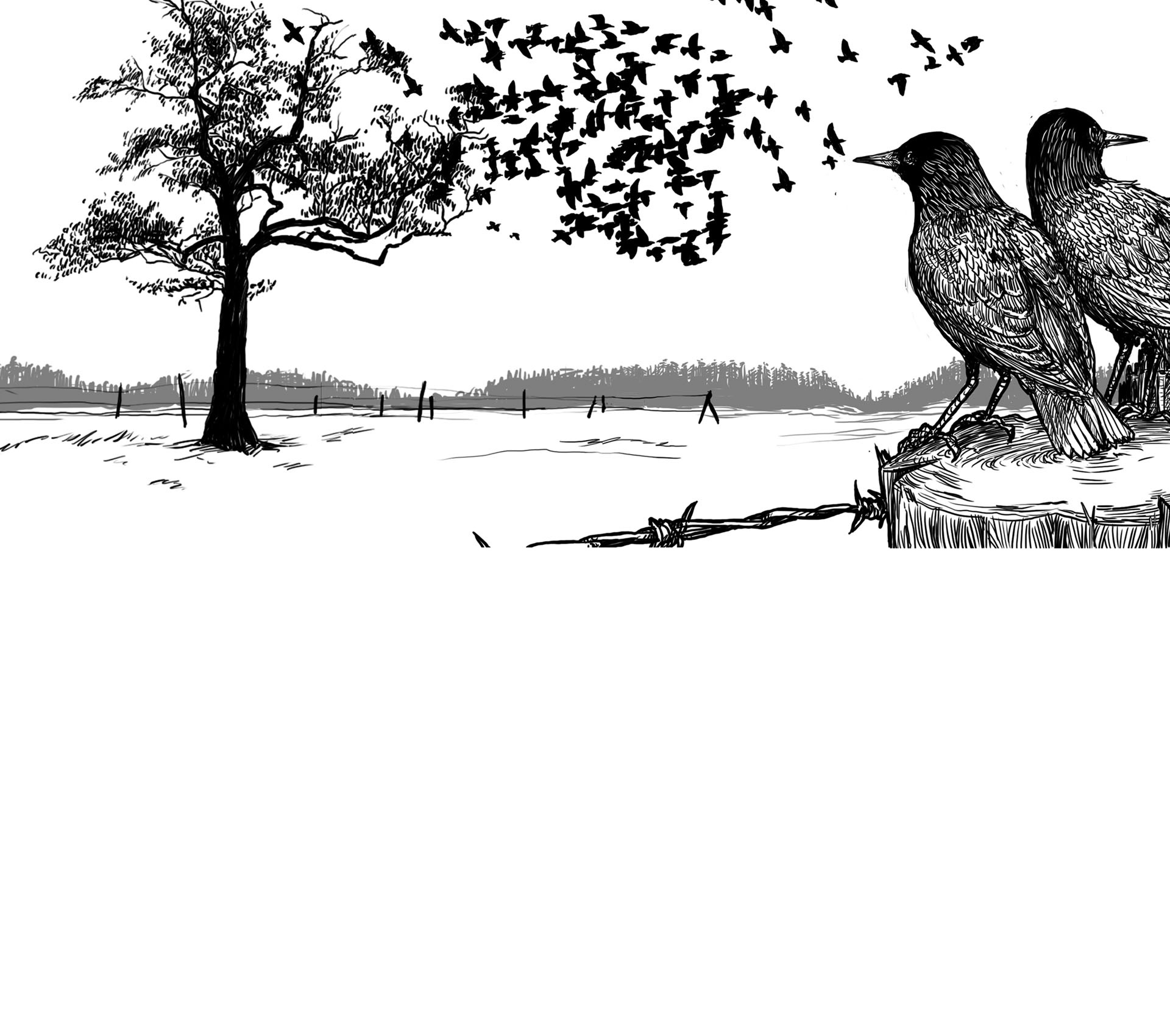
King, in his book On Writing, brought this up with a clear and thoughtful description of his own process on some of his earliest works. For him it is the juxtaposition of two divergent concepts, disparate elements, brought together to form a whole, a gestalt. It is from this that he draws the narrative (eventually). This ability is not unique to King of course. It’s something every brain is doing most of the time, and a necessary ability in order for communication between two human beings to communicate with each other. Language has its limits and is itself a series of agreements on meaning, many of them gathered over hundreds of years, like cultural norms. This associative intuiting may have served as an early aid in communication, but has also contributed to its fair share of misnomers and mistakes as with the cargo cults of New Guinea. Currently this ability serves as fertile ground for all kinds of sham artists, who rely on the brain’s ability to cover up holes in their stories when dealing with others.

What I find most interesting regarding this, is how much of it ties into current philosophies on film editing. The earliest days of film (yes, the kinescope people) with the Lumière Brothers (or whoever you personally support, I’m partial to Muybridge myself) it was thought that an audience would be unable to follow a story chopped into multiple parts. This of course proved to be very wrong and nowadays we know that even minute cuts can influence the nuances in a film narrative, serving to swing an idea nearly in the opposite direction and speaking to character as much as the story being told. The mind can create, to a large degree, the story— or the part of it, at least in film, that goes between the adjacent sequences. We’re so practiced at the process we probably don’t even realize the hyper speed we’re doing it at anymore.

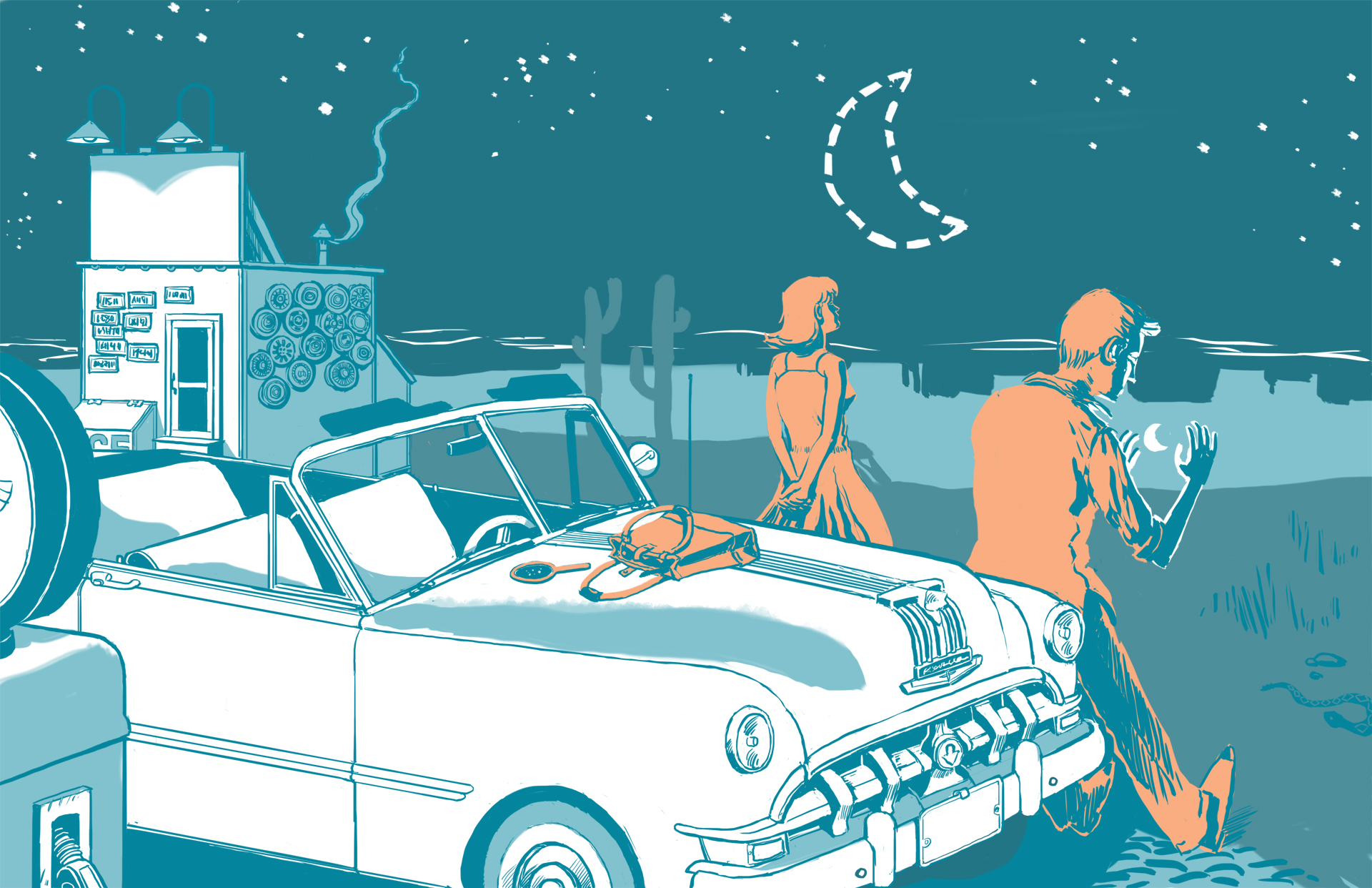
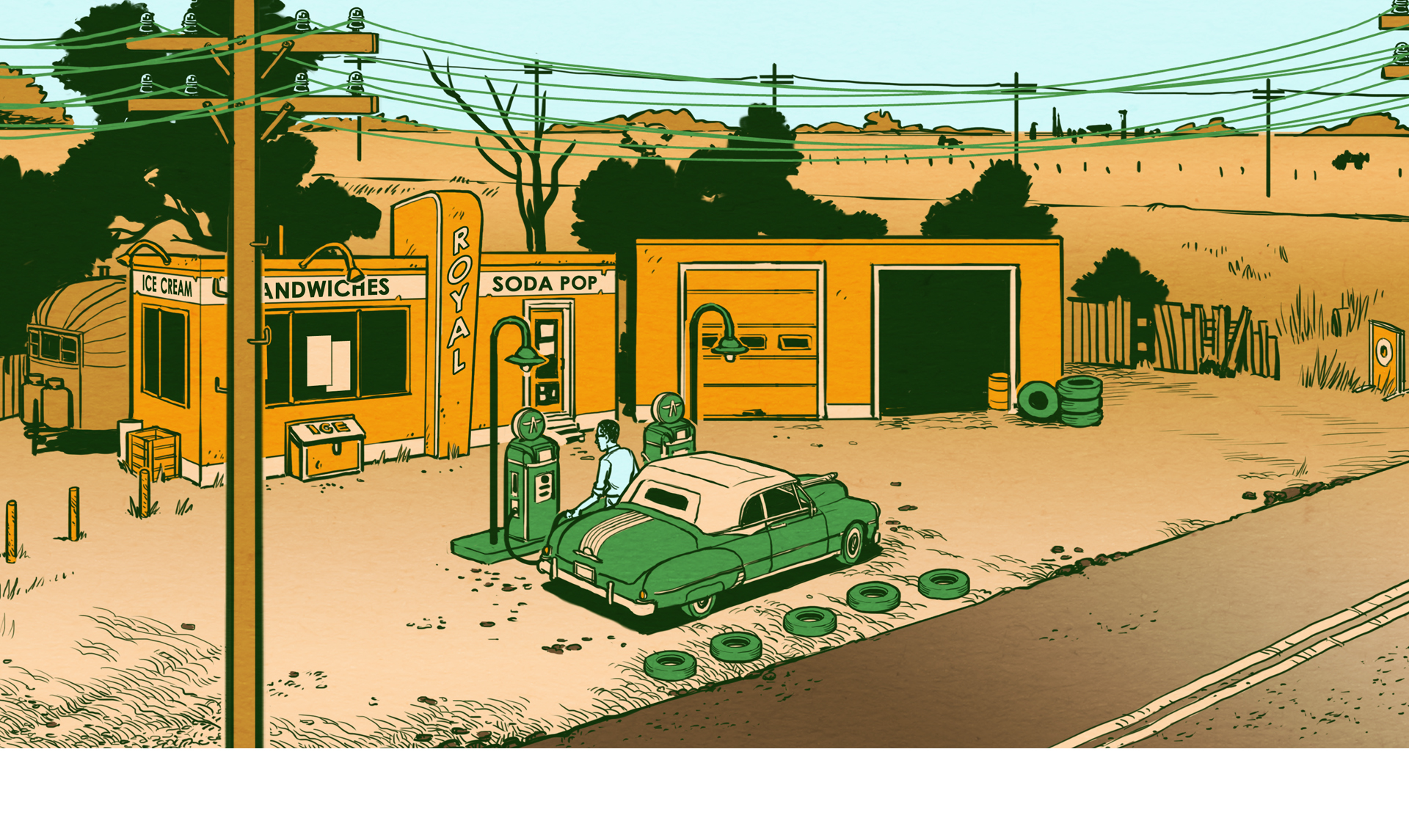
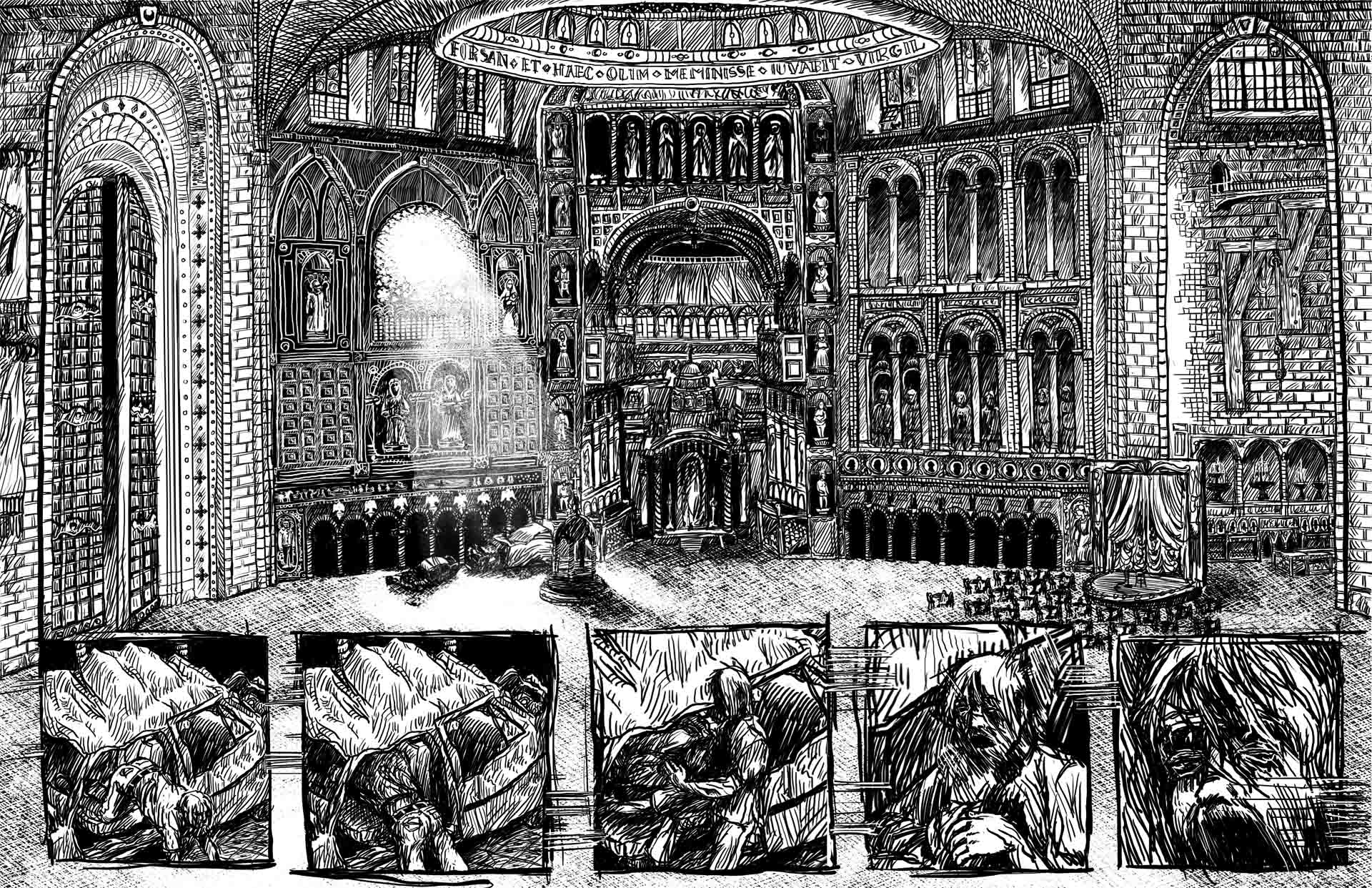
Now how does this relate to the generation of narrative ideas? Well, gestalts are only part of the fact. Narrative juxtaposition becomes a little cleaner when we slow the pace down and space the moments a little farther apart as in the case of comic books and graphic novels. Since time is no longer a factor here we become free to observe the associative properties inherent in the method.

The generation of ideas does have another commonality that is a close cousin to association, the ability to ‘what if?’ a given topic. This could almost be described as a stage in the process since association by itself is limited and won’t allow narrative completion past a certain point without it. Sometimes asking ‘what if?’ to a single notion is enough to get creative energy going, but often the oddest and most original ideas will involve a relation between the two.

‘What if?’ is the means of applying logic to things which may begin in the subconscious, and might be a necessary step if association hasn’t produced a narrative by itself (Often it’s not a single association anyway. It may take multiples to produce a viable kick start to a concept and then further coercion to draw it into fruition).

If this all seems overly technical (and perhaps it is) just understand this is a description of a personal process unique to each individual (we run in circles here, kiddo). Your own may differ considerably from mine, but it might also be something you’ll try if you’re coming up short someday. It’s also an attempt to answer a question that, while it is being answered here, is probably best left unanswered overall. Differences in personal taste and thought processes may only serve to confuse the beginner. Remember don’t ruin who you are by accepting something as rote. Find your own path. Question everything. And please, refrigerate your heart in a jar between sessions to ensure freshness.